
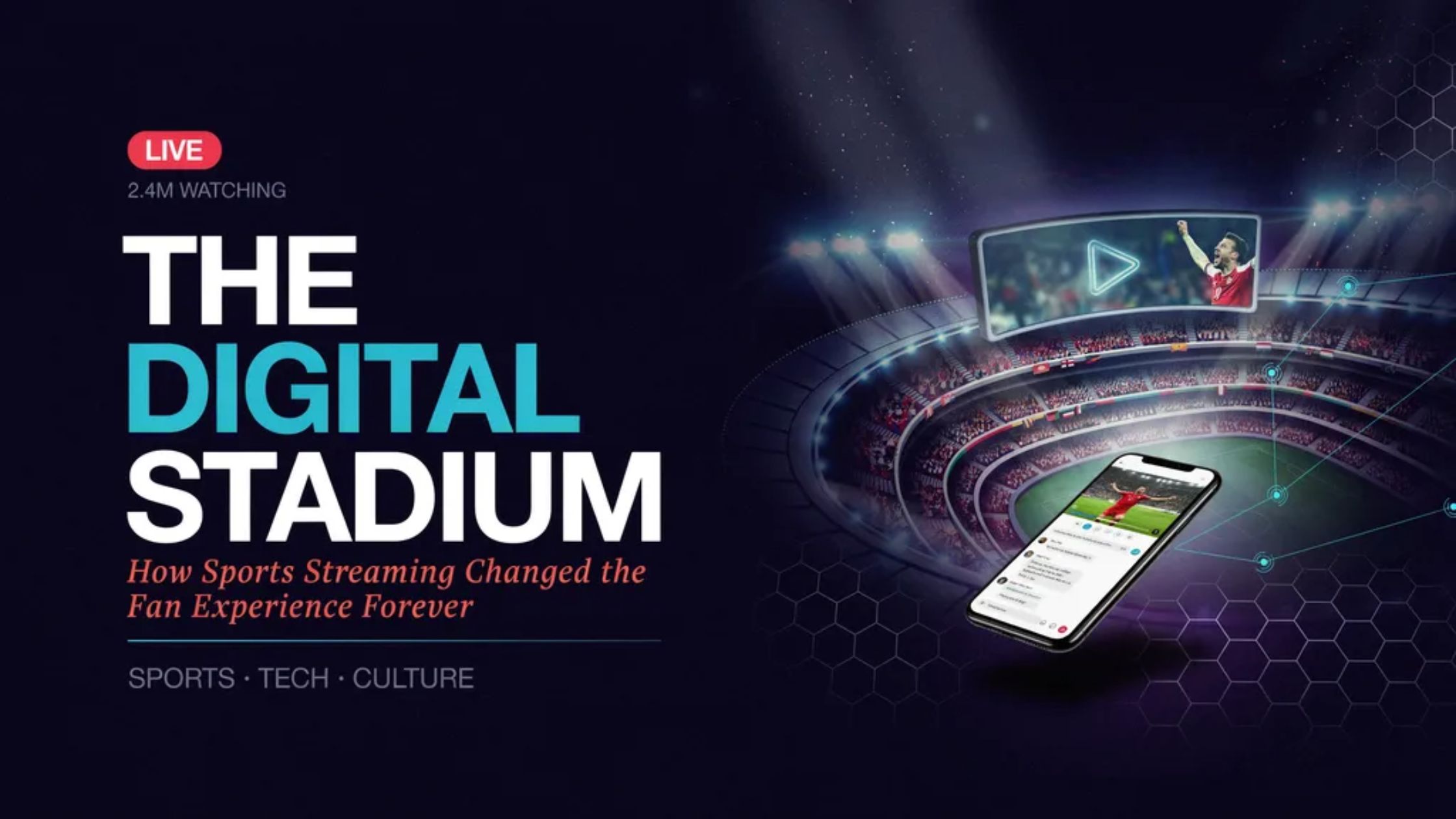
There was a time when catching a live game required a very specific set of circumstances. You either had to buy a ticket to sit in the stadium, crowd around a bulky television set with a premium cable subscription, or head to the local sports bar and hope they had the right channel broadcasting your team. If you were traveling, out of the country, or simply didn’t have a television hookup, you were largely out of luck—relegated to checking text-based box scores or listening to crackly radio broadcasts.
Then came the internet.
The digital revolution completely dismantled the traditional broadcasting model, transforming sports from a localized, appointment-viewing experience into a global, on-demand phenomenon. Suddenly, a football fan in Tokyo could watch an English Premier League match in real-time, and a basketball enthusiast in Madrid could catch every minute of an NBA late-night game.
At the center of this massive shift was a desperate hunt for accessibility. As official broadcasting rights became increasingly fragmented and expensive, millions of sports fans turned to the open web to find a digital stadium of their own.
The Era of the Open Web: The Rise of Aggregators
As high-speed internet became the standard rather than the exception, a new breed of websites emerged to meet the astronomical demand for live sports. Fans no longer wanted to be tied down by geographical blackouts or expensive monthly contracts just to watch their favorite teams play for a few hours a week.
This demand birthed massive index directories and aggregation hubs. Platforms like stream2watxh became household names among sports communities, acting as digital switchboards that pointed users toward live feeds of football, basketball, tennis, and combat sports from all corners of the globe.
For years, these platforms thrived on a simple premise: convenience. They stripped away the barriers of entry. There were no sign-up forms, no credit card prompts, and no regional restrictions. If a game was being broadcast somewhere on Earth, chances were a link to it could be found on a streaming directory.
However, this wild-west era of sports consumption was built on a deeply fragile foundation. While these hubs offered unparalleled convenience to the end-user, they operated in a complex legal gray zone—and frequently drifted well outside of it.
The Hidden Costs of “Free” Streaming
To understand why the landscape of sports streaming has shifted so dramatically in recent years, it is essential to look beneath the surface of unauthorized streaming directories. While the appeal of a free live stream is obvious, the old adage remains true: if you aren’t paying for the product, you are the product.
Operating a website that handles millions of concurrent visitors requires immense server bandwidth and technical infrastructure, both of which cost significant amounts of money. Because these platforms cannot partner with mainstream advertising networks like Google AdSense, they have historically relied on alternative, often predatory monetization methods.
1. The Malvertising Minefield
Anyone who has ever attempted to use an unauthorized streaming link is intimately familiar with the gauntlet of pop-ups, redirects, and invisible overlays. Clicking “Play” on a video player often triggers a cascade of new tabs opening in the background. Many of these ads utilize “malvertising”—malicious advertising scripts designed to force-download malware, spyware, or browser hijackers onto the user’s device.
2. Phishing and Social Engineering
Many legacy streaming hubs have been co-opted by cybercriminals who overlay the video player with fake updates. Users are frequently hit with urgent warnings claiming their “Adobe Flash Player is outdated” or that their “device is infected with 13 viruses.” These are psychological tricks designed to manipulate users into downloading harmful software or handing over personal credentials.
3. The Threat of Copyright Enforcement
Over the last few years, the sports entertainment industry has fought back with unprecedented legal force. Major leagues like the Premier League, NBA, NFL, and UFC have formed powerful coalitions to target streaming aggregators. Through domain seizures, dynamic ISP blocking, and aggressive copyright takedown notices, the stability of platforms like stream2watxh has drastically declined. Streams frequently cut out right in the middle of a crucial play, leaving fans staring at a blank screen or a “404 Not Found” error.
The Changing Legal Landscape
The legal architecture surrounding digital copyrights has evolved rapidly. In the early days of the internet, enforcement agencies struggled to keep pace with the speed of web technology. If a streaming site was shut down, a dozens of mirror sites and clones would pop up within hours—a digital game of Whac-A-Mole.
Today, copyright holders utilize advanced automated AI tools to detect unauthorized broadcasts within seconds of them going live. Furthermore, internet service providers (ISPs) in many regions are now legally mandated to implement real-time, dynamic IP blocking during major sporting events. This means that even if a streaming site is up and running, the actual video data packets are blocked at the provider level before they ever reach your router.
[Unauthorized Stream Source] —> [ISP Blocks Connection Real-Time] —> [User Experiences Endless Buffering]
Because of this constant pressure, relying on unstable, unverified web links has become more of a chore than a convenience. The modern sports fan is increasingly unwilling to spend 20 minutes closing malicious pop-up ads just to watch a low-quality, heavily buffered stream that might get taken down before halftime.
The Modern Alternative: The Rise of Sports Cord-Cutting
Fortunately, the sports broadcasting industry eventually realized that the best way to combat unauthorized streaming was not just through legal threats, but by offering a better, more accessible alternative. The market responded with the creation of dedicated, legal over-the-top (OTT) streaming platforms.
Today, fans have access to highly polished, affordable streaming ecosystems that offer crisp high-definition video, multi-angle camera views, and absolute digital safety.
| Platform Type | Examples | Key Benefits | Best For |
| Dedicated Sports Networks | ESPN+, DAZN, Eurosport | Specialized coverage, combat sports, niche leagues | Hardcore fans of specific sports |
| Live TV Streaming Services | FuboTV, Hulu + Live TV, YouTube TV | Replaces traditional cable completely, includes local channels | Households wanting full entertainment packages |
| League Passes | NBA League Pass, NFL+, MLB.TV | Out-of-market games, extensive archives, customizable audio | Die-hard fans following a specific team |
These legal avenues have successfully bridged the gap that old aggregators like stream2watxh initially tried to fill. They provide a seamless, reliable viewing experience across smartphones, tablets, smart TVs, and gaming consoles—completely free of malware risks and abrupt stream terminations.
Best Practices for the Modern Digital Sports Fan
As the digital sports landscape continues to evolve, maintaining a secure, seamless viewing experience should be a top priority for every fan. Whether you are navigating premium subscription services or exploring the open web, keeping your digital footprint secure is paramount.
- Prioritize Official Streams: Whenever possible, opt for official broadcast partners. Many networks offer free trials or affordable single-match passes for major tournaments.
- Keep Your Software Updated: Ensure your operating system, web browser, and security software are fully updated. Security patches are crucial for defending against zero-day exploits commonly found on unverified websites.
- Employ Strong Cybersecurity Tools: If you find yourself browsing unfamiliar corners of the web, ensure you are utilizing a robust antivirus program and a reputable ad-blocker capable of stopping malicious script executions.
- Utilize a Virtual Private Network (VPN): A VPN encrypts your internet traffic, protecting your personal data from snooping on public Wi-Fi networks and helping bypass unfair ISP throttling that can cause artificial buffering during peak game times.
Conclusion: The Future of the Fan Experience
The era of relying blindly on unstable web directories like stream2watxh is drawing to a close, giving way to a much more mature, secure, and user-friendly digital ecosystem. The modern sports fan no longer has to compromise their cybersecurity or settle for pixelated, stuttering video feeds to watch their favorite athletes compete.
As streaming technology continues to advance—incorporating features like 4K HDR broadcasting, interactive real-time statistics, and virtual reality integration—the line between sitting in the stadium stands and watching from your living room couch will continue to blur. By choosing secure, reliable, and authorized platforms, sports enthusiasts can ensure they never miss a historic goal, a buzzer-beater, or a knockout blow ever again.